Field Notes #1
My Summer Fellowship at a State Historic Site

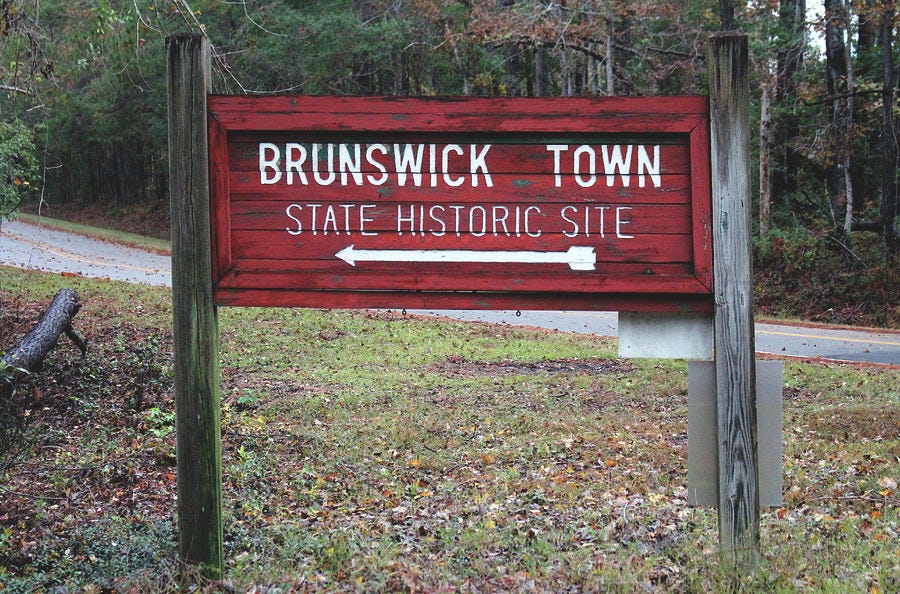
(Photo credit: Cynthia Guinn)
This month, I began my summer fellowship at the Brunswick Town/Fort Anderson State Historic Site. During the colonial period, up until the Revolutionary War, Brunswick Town was just that, a town. It was home to some of the founders of Brunswick County, including former North Carolina governors, and other elites and elected officials. After the British Army burned down Brunswick Town, it lay in ruins.
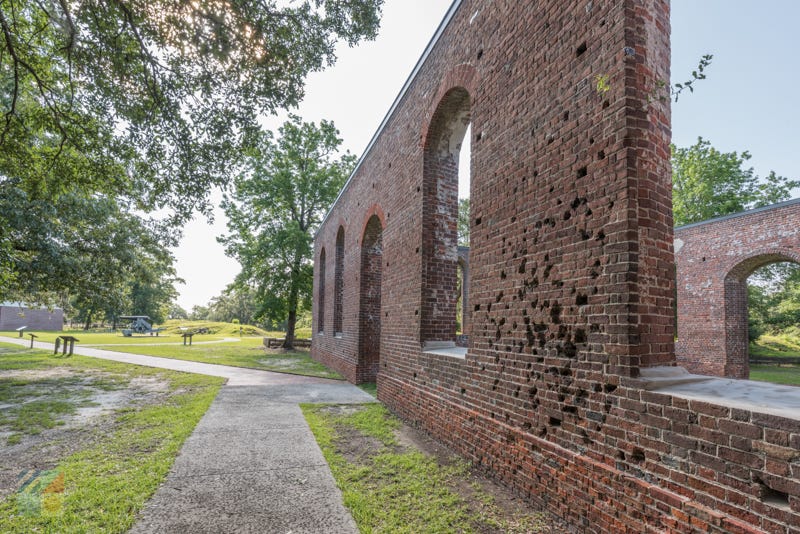
(St. Phillips Church, Brunswick Town/ Fort Anderson)
During the Civil War, this area underwent significant transformation and became known as Fort Anderson, named after Confederate General George B. Anderson. During this six-week fellowship, I have the opportunity to learn more about the history of Brunswick Town, its transition to Fort Anderson, observe daily operations, and brainstorm ideas for future projects and programming.
Personal Ties
As my family hails from Brunswick County, North Carolina, I am thrilled to be here! Brunswick Town was also the primary colonial port of the area, preceding Wilmington, where goods were imported and exported by ship. Goods like naval stores, food, fabric, and, unfortunately, human cargo stolen from West Africa, and brought to the area by way of Barbados, Jamaica, and Charleston, SC. Outside of this being a crucial piece of American history, it is an essential part of my personal history, as my ancestors were captured from West Africa and disembarked right here at Brunswick Town. Although this site is a beautiful place to visit, its history, from my perspective, is tragic and deeply personal. For me, Brunswick Town/ Fort Anderson State Historic Site is a sacred space. I will forever honor my ancestors who labored, fought, and died at this site.
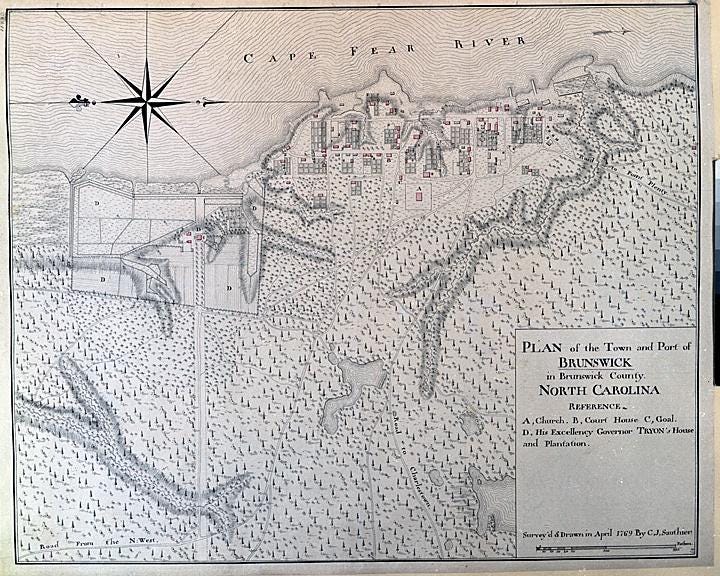
(Map of Port Brunswick)
My First Week
On day one, I was warmly greeted by the BT/FA staff, as well as members of the Friends of Brunswick Town, who play a vital role at BT/FA. Also present were graduate students from East Carolina University’s Maritime Studies program. These maritime archaeologists were on site near the river, diving and digging. It was so interesting to hear about the artifacts they have been able to uncover. Near the Cape Fear River, numerous artifacts have washed ashore, and many more have been discovered through previous archaeological excavations. Items such as fragments of ships and colonial wares from the houses have been found on-site.
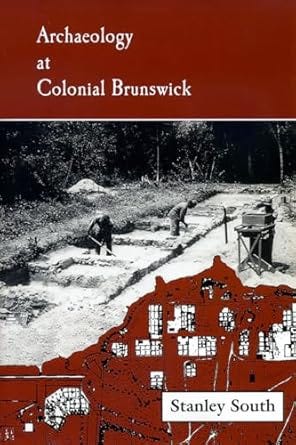
On day two, I had the opportunity to shadow staff members at the visitor’s desk to gain an understanding of what happens when visitors come to Brunswick Town. I also had the chance to read more about the archaeological history of colonial Brunswick Town by consulting the book. Archaeology at Colonial Brunswick, by Archaeologist Stanley South.
After that, I got to check out a part of the site that I wasn’t previously familiar with, Russellborough—named for Captain John Russell. In 1751, the Russellborough house was home to two colonial governors and was the first house in the Lower Cape Fear Region to have an indoor plumbing system. After John Russell's death, Governor Arthur Dobbs resided in this home, followed by Governor William Tryon. It was fascinating to visit and learn about this particular site because there are many gaps in history and scholarship that the folks at BT/FA are trying to fill. This was also a plantation, and said to have had 40 enslaved persons working there. But judging by what’s left of the home and the outside kitchen, there is difficulty finding out more about where the enslaved persons may have lived. Upon visiting the Russellborough house and the entire site, I am learning about the challenges of maintaining a State historic site.
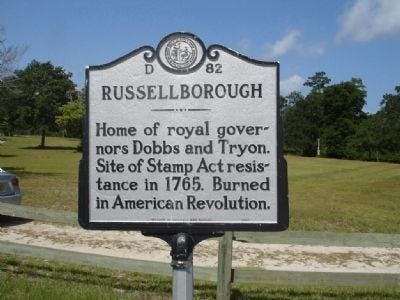
The great thing about the staff at Brunswick Town/ Fort Anderson is that they are passionate about uncovering these stories. State landmark sites help tell a fuller, more accurate story of who, what, where, when, and why the site is significant. In visiting this site on many occasions, I noticed that there is virtually no mention of the indigenous peoples and enslaved Africans who worked on this site. This is a significant issue, as not only were various indigenous groups involved in shaping this space, but my ancestors also disembarked on this very land; their contributions deserve to be highlighted and honored just as much as those of the early founders of Brunswick County.
So, How Do I Help With That?
Along with archival research, I will conduct oral history interviews during this fellowship with African American residents who live in and around Brunswick Town. My family has lived in the Lower Cape Fear Region since its founding. Many descendants of those enslaved Africans brought here are still here. Hearing their stories about what this area was like for them growing up, as well as anecdotal stories they received from their parents, and learning more about what this area and the site mean to them, will be helpful not only for community engagement but also for the research being conducted on the site. Helping to create partnerships with African American community organizations around Brunswick Town/Fort Anderson will also be beneficial to the site. I find that a lot of the Black community here is not aware of the history of this area during the colonial and antebellum periods. It is up to state historic sites to not only educate those who visit the space, but also to interact with the surrounding communities of all backgrounds. It is high time that sites like Brunswick Town/Fort Anderson become more intentional about telling a fuller, more accurate history of these spaces.